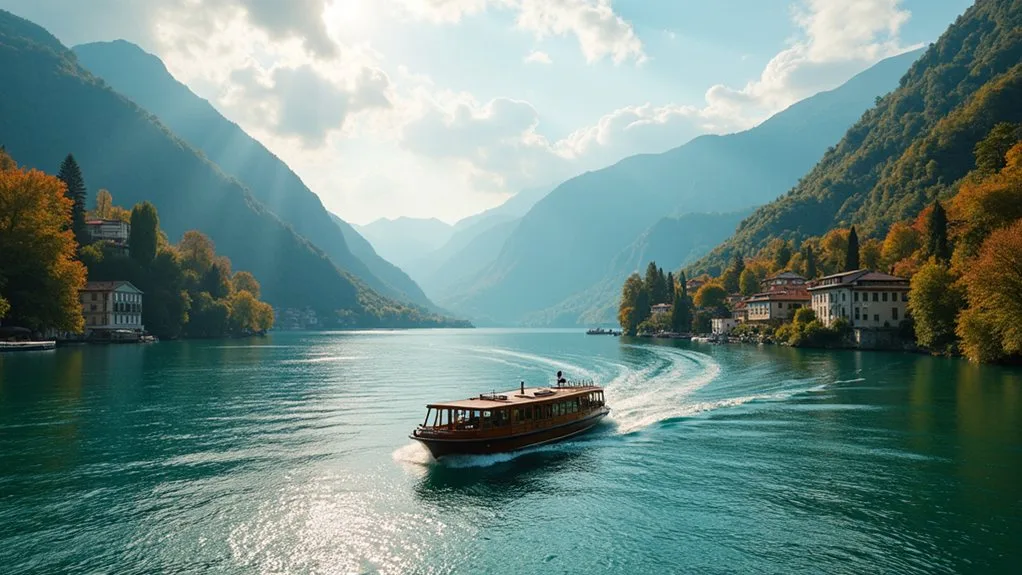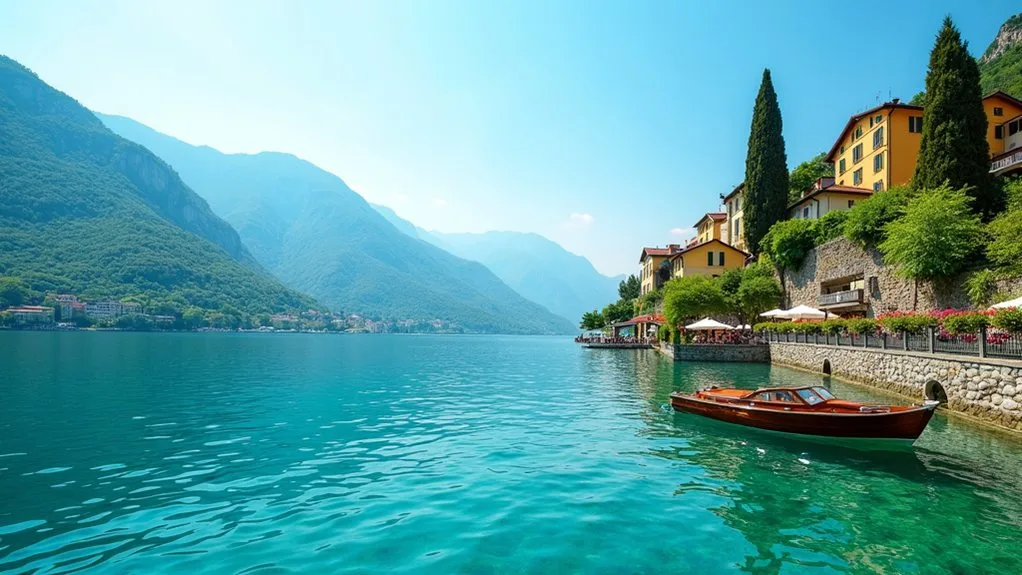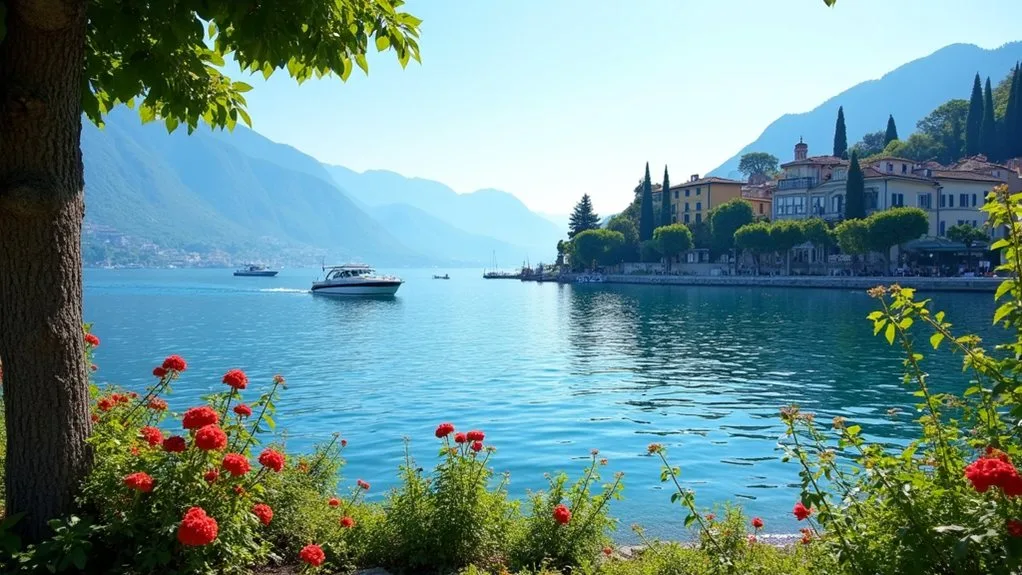
How does a sparkling Italian lake become so popular that it needs its own entry fee? Lake Como, with its breathtaking mountain views and charming waterside villages, has been a magnet for visitors from all over the world. Its unique charm, which once felt like a well-kept secret, is now drawing about 1.4 million people each year. As the crowds grow, especially with daily visitors who come just for a few hours, local leaders are facing what some might call a “good problem” — overtourism. Yet, too much of a good thing can strain the very beauty and tranquility that people come to experience.
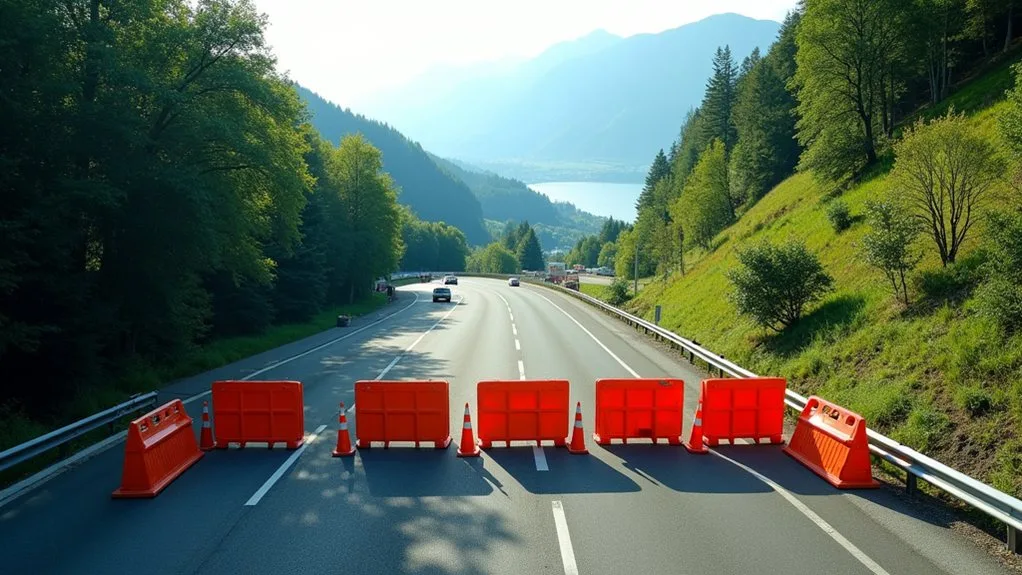
To tackle these challenges, Mayor Alessandro Rapinese is championing a new idea: a tourist tax for Lake Como, inspired by Venice’s recent approach. The proposed entry fee isn’t meant to scare away travelers, but rather to help balance tourism impact with the preservation of local resources. Most day trippers, who make up a big portion of the crowds, arrive on weekends and holidays, putting extra pressure on roads, public transport, and the picturesque towns dotting the lake. This situation has led to discussions about responsible tourism practices that can enhance the travel experience for everyone.
By focusing the entry fee on these peak times, the hope is to ease congestion and give local life some breathing room without shutting the doors to visitors altogether. Local officials are still discussing the specifics, such as exactly how much the fee will be and when it will roll out. However, the aim is clear: guarantee that Lake Como remains a delightful destination without turning into an overcrowded backdrop for selfies and gelato. Compact layouts are essential for optimizing movement in towns, especially during busy tourist seasons.
The conversation around the tourist tax also highlights a broader trend across popular European spots, where cities and towns are trying to find smart solutions to overtourism. By asking daily visitors to contribute, even a small amount, the area can reinvest in infrastructure, support preservation efforts, and manage waste and transportation more effectively.
While some travelers may grumble about paying an entry fee, many recognize the value of protecting what makes Lake Como special. After all, nobody wants the Italian lake experience to feel like a theme park on a summer weekend.
Alessandro Rapinese and his team hope that thoughtful management will keep Lake Como’s unique charm alive for generations to come, making sure that its magic isn’t lost to the very crowds it attracts. In the end, a little investment from daily visitors could be the secret ingredient for preserving one of Italy’s most beloved treasures.