How Ferries, Trains, and Driving Really Work
Planning transport in Lake Como can feel confusing — especially if it’s your first visit.
This page is a planning tool, not a live tracker.
Its goal is to help you understand how transport actually works, what to expect by season, and where to check official updates when timing matters.
Lake Como transport is shaped by geography, seasonality, and capacity limits — not by simple timetables.
If you understand that first, everything else becomes easier.
How to Use This Tool
Use this page to:
- Decide which transport option fits your trip
- Understand seasonal limitations
- Avoid common first-time mistakes
- Know when and where to check official schedules
This tool works best before you book accommodation or plan daily itineraries.
🚢 Ferries on Lake Como
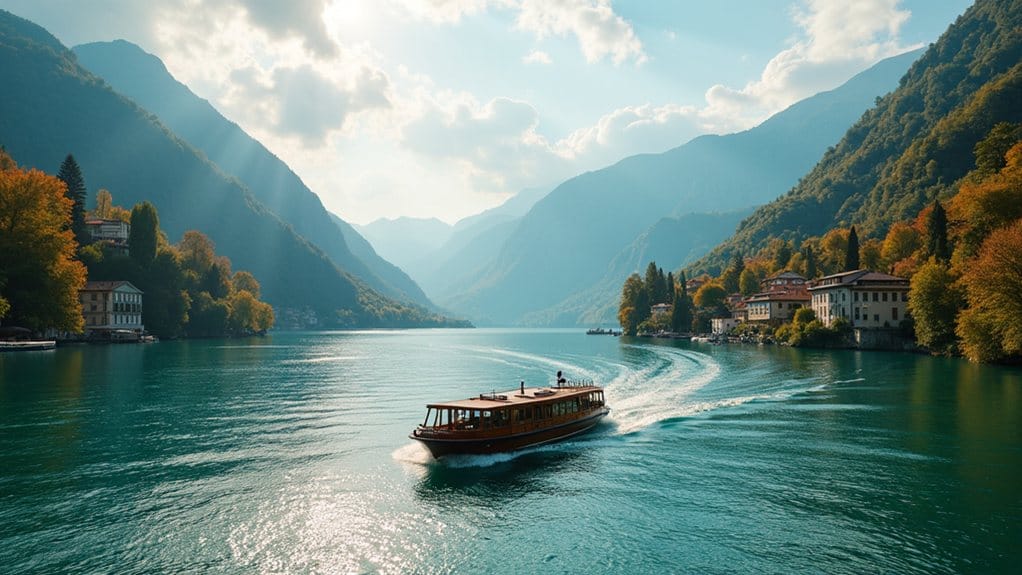
Ferries are the backbone of Lake Como transport — but they don’t work the same way year-round.
How ferries really work
- Operate all year, but frequency changes by season
- Many routes are seasonal
- Capacity is limited, especially in peak months
- Same-day schedules matter more than long-term plans
What first-time visitors often misunderstand
- Ferries are not hop-on/hop-off sightseeing boats
- Travel times between towns are longer than expected
- Summer queues and sold-out sailings are common
When ferries work best
- Central lake towns with strong connections
- Slower, flexible itineraries
- Travelers without a car
Official ferry schedules
Always check the official Navigazione Laghi website for:
- Same-day timetables
- Seasonal reductions
- Temporary changes
You can check and buy tickets here
🚆 Trains to and Around Lake Como
Trains are excellent for reaching Lake Como, but limited for moving around it.
What trains are good for
- Milan → Como
- Milan → Varenna
- Long-distance arrivals and departures
What trains are NOT good for
- Traveling between lake towns
- Late-night connections
- Flexible sightseeing days
Common train issues
- Strikes (announced in advance)
- Reduced late-evening services
- Regional delays
Official train checks
Use:
- Trenitalia (national)
- Trenord (regional)
Always check the day before travel, especially during weekends and holidays.
🚗 Driving Around Lake Como
Driving can be useful — but only in specific situations.
What to know before driving
- Most towns have ZTL (restricted traffic zones)
- Parking availability varies dramatically by town
- Narrow roads and congestion are common in high season
When driving makes sense
- Staying outside ferry-connected towns
- Visiting remote villages
- Traveling with mobility constraints
When driving becomes a problem
- Central lake towns
- Short stays
- First-time visitors unfamiliar with ZTL rules
If you plan to drive, understand ZTL zones before arrival — fines are common and automatic.
📅 Transport by Season (Very Important)
Lake Como transport changes significantly throughout the year.
January – March
- Reduced ferry frequency
- Quiet towns
- Limited daily crossings
April – May
- Improving ferry schedules
- Fewer crowds
- Good balance for planning
June – August
- Full ferry service
- Heavy crowds
- Queues and sold-out boats common
September – October
- Full service
- Calmer atmosphere
- One of the best periods for transport balance
November – December
- Reduced ferry schedules return
- Limited daylight
- Planning flexibility becomes important again
Seasonality matters more in Lake Como than most travelers expect.
Common Transport Mistakes First-Time Visitors Make
- Choosing accommodation before understanding ferry routes
- Assuming towns are walkable between each other
- Planning tight itineraries around ferries
- Treating Lake Como like a city destination
Lake Como rewards slower planning and realistic expectations.
Good Transport Planning Starting Points
If you’re unsure where to begin:
- Choose one well-connected base
- Plan fewer towns per day
- Avoid mixing too many transport types
- Check schedules after choosing where to stay
These choices eliminate most transport problems automatically.
Final Advice
This tool helps you understand how transport works — not to micromanage it.
Once you:
- choose the right base
- understand seasonality
- know where to check official schedules
Lake Como transport becomes predictable, manageable, and far less stressful.
Next Steps
- Learn where to stay based on transport access
- Understand ferry routes before booking accommodation
- Avoid first-time planning mistakes
(Internal links recommended here)