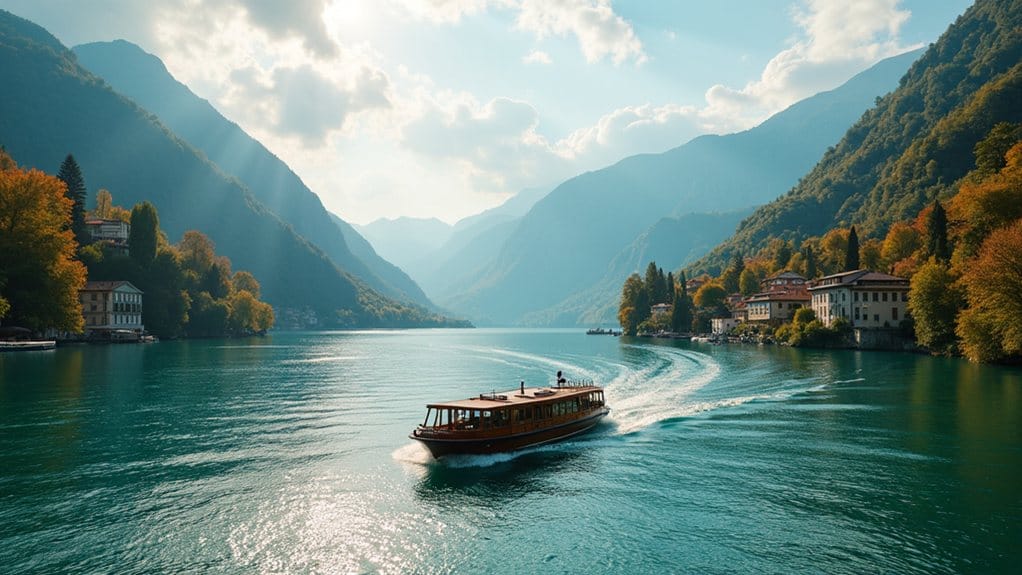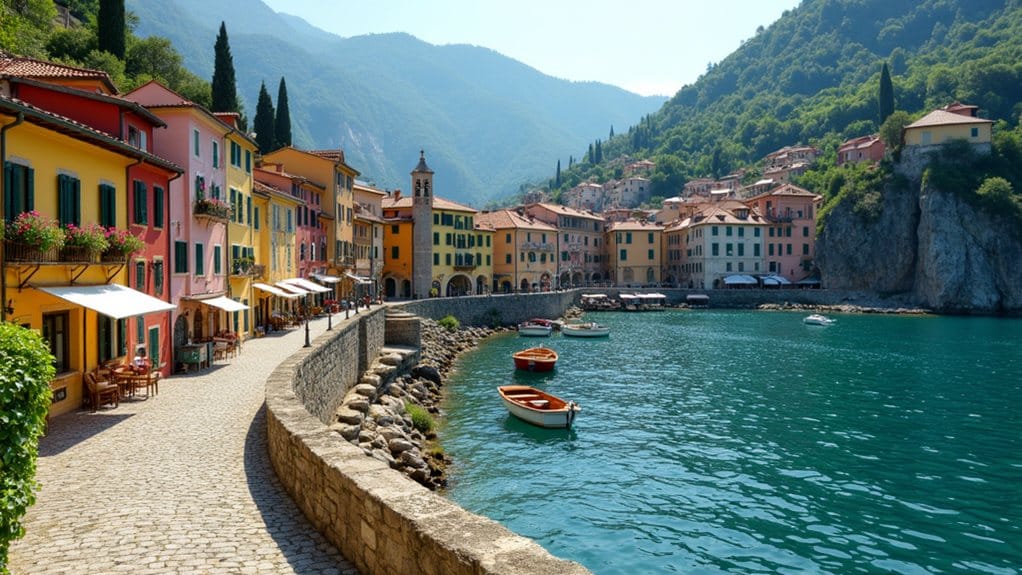

Staying in Lake Como without a car is not only possible—it can be one of the easiest and most enjoyable ways to experience the lake, provided you choose the right base. Some towns are designed around walkability, ferry access, and direct train connections, while others become inconvenient without a vehicle.
This guide focuses specifically on where to stay in Lake Como without a car, highlighting towns that allow visitors to move easily by train, ferry, and on foot. Rather than listing every picturesque location, it prioritizes practical bases that minimize travel friction and simplify day-to-day logistics.
Choosing the right town can make the difference between a smooth, relaxed trip and one spent constantly planning connections. The sections below explain what makes a town car-free friendly and which bases work best for travelers relying entirely on public transport.
Key Takeaways
- Staying in Lake Como without a car works best when your base has direct train or frequent ferry connections.
- Walkability matters more than scenery when choosing a car-free base.
- Towns designed around ferries and compact centers reduce daily travel friction.
- Choosing the wrong base without a car can make simple trips unnecessarily complex.
- A car-free stay prioritizes logistics, access, and ease of movement over remote or spread-out locations.
What Makes a Town Car-Free Friendly in Lake Como
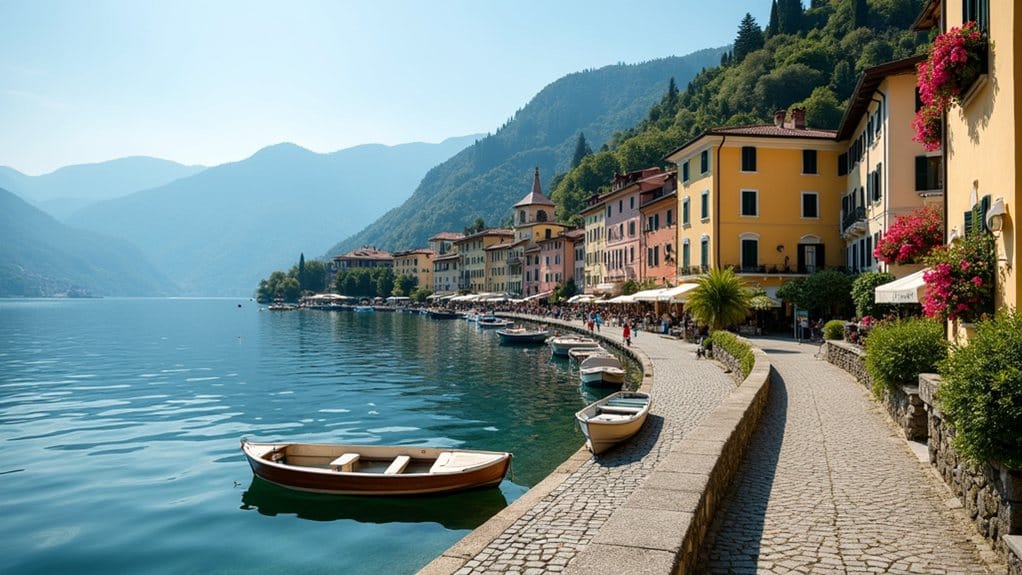
A town works well without a car in Lake Como when daily movement is simple and predictable. The most important factors are not beauty or popularity, but logistics.
Direct train access is a major advantage, especially for travelers arriving from Milan. Towns with a railway station remove the need for complex transfers and make arrival and departure significantly easier.
Ferry frequency is equally important. A car-free base should offer regular ferry connections that allow visitors to move around the lake without long waits or indirect routes. The more central the ferry network, the less restrictive a car-free stay becomes.
Walkability is the final key factor. Compact town centers, flat terrain, and accommodation close to ferry docks or train stations reduce daily friction and eliminate the need for taxis or buses.
Towns lacking one or more of these elements can quickly become inconvenient without a car, even if they appear attractive at first glance.
This way, you enjoy stunning views—no parking drama required!
Best Towns to Stay in Lake Como Without a Car
Not all Lake Como towns work equally well without a car. The best car-free bases share three traits: direct train access or strong ferry connections, compact town centers, and accommodation within walking distance of transport hubs.
Varenna is the most practical car-free base on Lake Como. Its direct train connection from Milan eliminates arrival friction, and frequent ferries make it easy to reach central lake towns. The town is compact and walkable, allowing visitors to manage daily logistics entirely on foot.
Bellagio can work without a car, but with limitations. While ferry connections are strong, reaching Bellagio often requires a combination of train and boat, which adds complexity on arrival and departure days. It works best for shorter stays where ferry travel is the main mode of movement.
Menaggio offers a flatter layout and good ferry access, making it manageable without a car once settled. However, arrival logistics are less straightforward than Varenna due to the lack of a direct train station, requiring bus or ferry transfers.
These towns succeed as car-free bases because movement is predictable and services are concentrated. More remote or spread-out locations quickly become inconvenient without private transport.
Trade-Offs of Staying in Lake Como Without a Car
Staying in Lake Como without a car simplifies certain aspects of travel, but it also introduces clear limitations that are important to understand before choosing a base.
Without a car, your daily movement depends heavily on ferry schedules and train timetables. While this works well in well-connected towns, it reduces flexibility for spontaneous detours or late-evening returns.
Accommodation choice also becomes more constrained. Staying close to ferry docks or train stations is essential, which can limit options or increase prices in high-demand towns.
Finally, some quieter or more remote areas of Lake Como become impractical without private transport. While the central and best-connected towns function well car-free, not every scenic location is easily accessible by public transport alone.
Choosing a car-free base works best when convenience and predictability matter more than maximum flexibility.
Frequently Asked Questions About Staying in Lake Como Without a Car
Is it easy to visit Lake Como without a car?
Yes, but only if you choose the right base. Towns with direct train access, frequent ferries, and compact centers work well without a car.
Which town is the easiest base without a car?
Varenna is generally the easiest car-free base due to its direct train connection from Milan and strong ferry network.
Is Bellagio a good choice without a car?
Bellagio can work without a car, but arrival and departure require combining trains and ferries, which adds complexity compared to towns with train stations.
Do you need a car for day trips on Lake Como?
No, many day trips are possible by ferry and train. However, destinations outside the main transport network are harder to reach without a car.
Is staying without a car better for short or long trips?
Car-free stays work best for short to medium trips where logistics remain predictable and centered around transport hubs.
Final Thoughts: Choosing the Right Car-Free Base in Lake Como
Staying in Lake Como without a car can be an excellent choice, but only when the right base is selected. Towns with strong train connections, frequent ferries, and compact layouts allow travelers to move efficiently and enjoy the lake without unnecessary logistical friction.
Car-free bases work best for short to medium stays where daily movement remains predictable and centered around transport hubs. Choosing accommodation close to ferry docks or train stations is essential, as it directly affects how easy the trip feels from day to day.
Ultimately, the success of a car-free stay depends less on scenery and more on access. By prioritizing connectivity and walkability over remote or spread-out locations, travelers can experience Lake Como smoothly, comfortably, and without the need for a car.