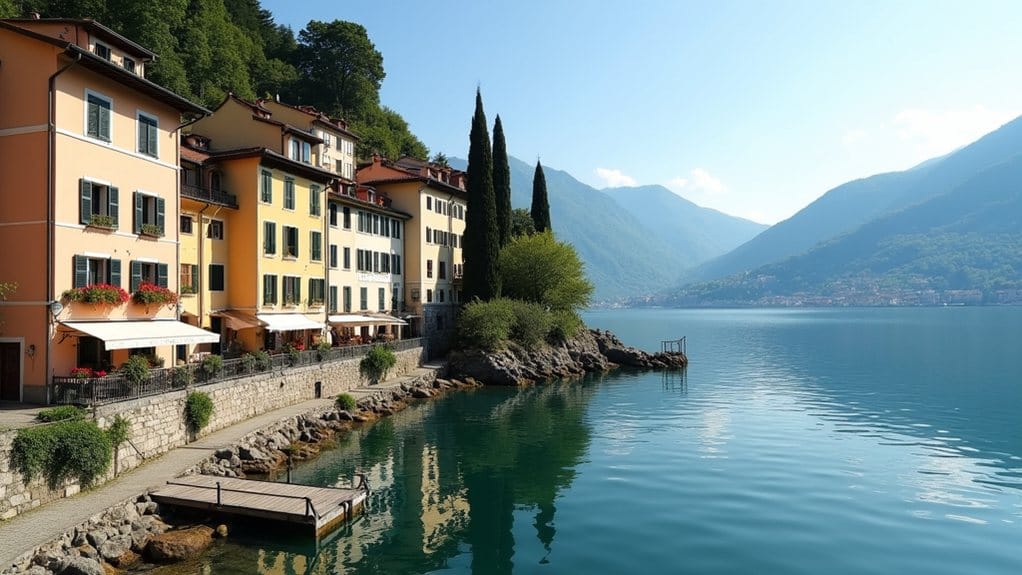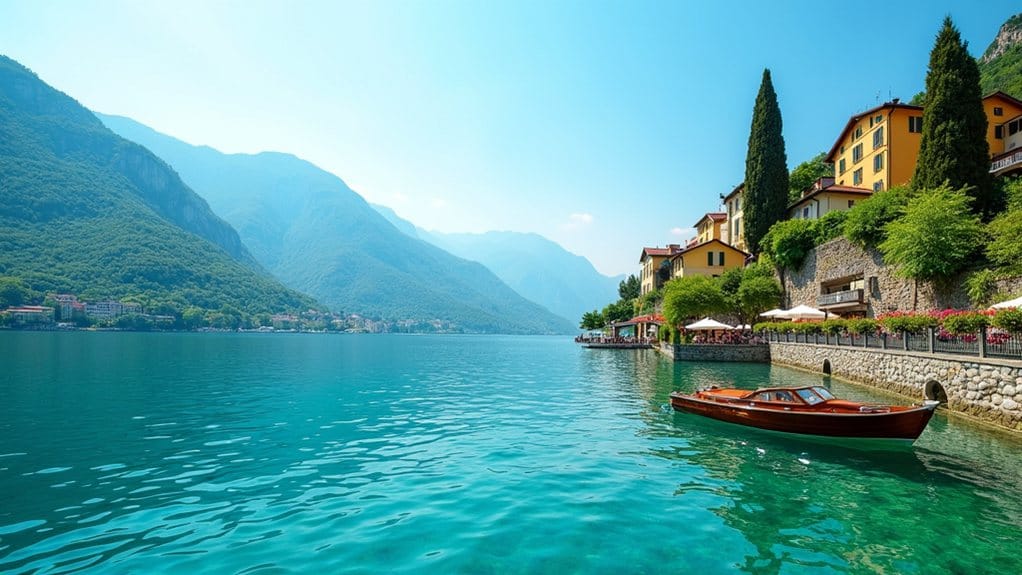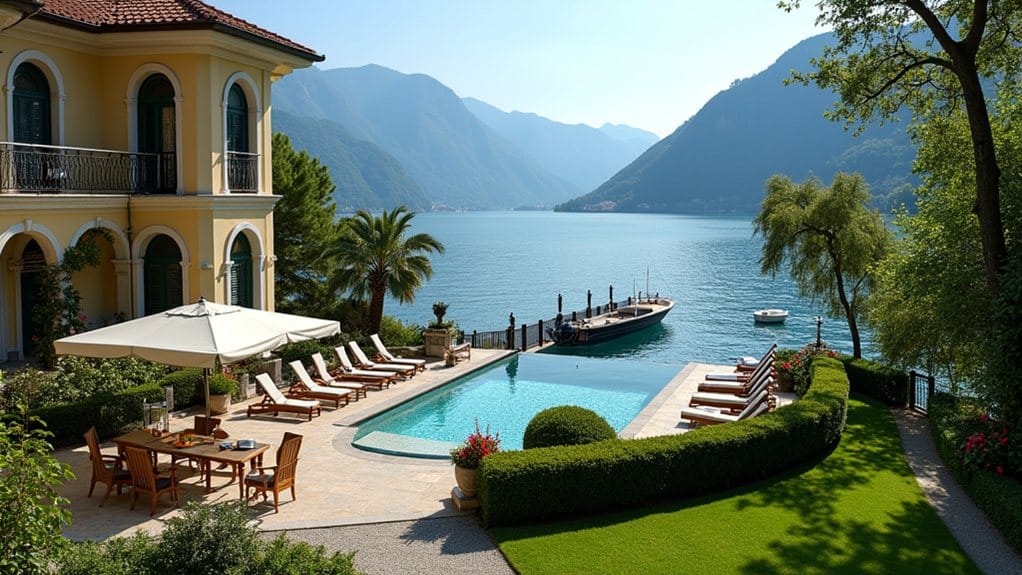
Choosing among hotels, apartments, and villas in Lake Como depends on your travel style and needs. Hotels offer superior service and luxury perks like pools—think classic Italian elegance. Apartments feel like a home away from home, perfect for longer stays or independent travelers. For seclusion and stunning views, villas are unbeatable, especially for families or groups. Budget, comfort, and the season all play key roles, so nailing down your favorite style will make planning your Lake Como adventure a breeze.
This guide focuses on the differences between hotels, apartments, and villas in Lake Como, helping you choose the accommodation type that best fits your trip.
Key Takeaways
- Hotels offer luxury amenities, high service levels, and convenience, ideal for short stays or those seeking a pampered experience.
- Apartments provide flexibility, privacy, and better value for longer stays, making them suitable for couples, families, or independent travelers.
- Villas deliver exclusive luxury, scenic views, and ample space, perfect for groups or those desiring complete privacy and seclusion.
- Your ideal choice depends on budget, group size, desired amenities, and the type of travel experience you want.
Introduction

While Lake Como is famous for its breathtaking scenery and charming towns, it also shines when it comes to accommodation options, making it a dream destination for all types of travelers.
From elegant hotels nestled in bustling centers like Como and Bellagio to cozy self-catering apartments tucked away in peaceful villages, the region offers something for everyone. Hotels here are known for their high guest ratings, often between 7.8 and 9.8 out of 10, reflecting excellent service and comfort—plus, who doesn’t love a good breakfast buffet?
For travelers watching their budget, seasonal pricing can be a game changer, with double rooms as low as €170 per night in quieter months.
Whether seeking luxury, flexibility, or local charm, Lake Como’s accommodations deliver.
Why choosing the right type of accommodation matters in Lake Como
This section focuses on accommodation type rather than location, which is covered separately in our area and town guides.
Because Lake Como offers such a wide variety of places to stay, choosing the right type of accommodation can truly shape a traveler’s entire visit. Picking between hotels, apartments, or villas isn’t just about where you’ll sleep—it’s about how you’ll live during your stay.
Luxurious hotels may spoil guests with pools and fine dining, while apartments and villas provide the freedom to cook meals and enjoy more privacy. Families might love spreading out in an apartment, while couples might prefer the indulgence of a boutique hotel or the seclusion of a private villa.
The location and style of your accommodation can transform a trip from ordinary to unforgettable.
- Hotels bring comfort and convenience with exceptional services.
- Apartments offer flexibility and a “home away from home” feeling.
- Villas promise privacy, scenic views, and a touch of luxury.
Understanding these differences early helps avoid overpaying or choosing an accommodation that doesn’t match your travel style.
Why “where to stay” and “what to stay in” are two different decisions

This guide is designed to help you choose the right type of accommodation in Lake Como, based on how you travel—not to recommend specific properties or booking platforms.
It will help you:
- Compare hotels, apartments, and villas side by side
- Understand how amenities, privacy, space, and service levels differ
- Match each accommodation type to different travel styles and trip lengths
- Avoid choosing a stay that doesn’t fit how you actually plan to travel
What this guide won’t do:
- Recommend individual hotels, apartments, or villas
- Cover booking strategies, pricing tactics, or availability
- Replace area- or town-specific guides, which are covered separately
By the end, you should clearly know which accommodation type makes the most sense for your Lake Como trip, before narrowing down location or listings.
Understanding Accommodation Types in Lake Como

Lake Como offers a wide range of accommodation types, but most options fall into three main categories: hotels, apartments, and villas. Each one creates a very different travel experience, even within the same town or area.
Hotels focus on comfort, service, and convenience, often placing guests close to transport, restaurants, and lakefront promenades.
Apartments prioritize flexibility and space, making them popular for longer stays or travelers who prefer a more independent routine.
Villas deliver maximum privacy and space, usually at a higher cost, and are best suited for families or groups traveling together.
Other options, such as B&Bs or residences, often sit somewhere between hotels and apartments in terms of service and independence, but this guide focuses on the three main accommodation types most travelers compare.
Understanding these differences upfront helps you choose how you want to experience Lake Como, before deciding exactly where to stay or which listing to book.
Why accommodation choice impacts cost, comfort and experience
Choosing the right type of accommodation in Lake Como affects far more than just the nightly rate. It directly influences how much you spend overall, how comfortable your stay feels day to day, and the kind of travel experience you end up having.
From a cost perspective, hotels usually come at a higher price due to included services such as daily housekeeping, on-site staff, and shared amenities. Apartments and villas often provide better value for longer stays or group travel, especially when costs are shared.
Comfort varies depending on expectations. Hotels prioritize convenience and service, while apartments and villas focus more on space, privacy, and independence. What feels comfortable for one traveler may feel limiting for another.
Experience is where the difference becomes most noticeable. Hotels offer ease and structure, apartments encourage a more local, self-directed rhythm, and villas create a private retreat away from crowds.
Understanding these trade-offs helps travelers avoid paying for features they won’t use—and ensures the accommodation supports the kind of Lake Como experience they actually want.
Typical expectations vs reality in Lake Como

Typical expectations vs reality in Lake Como
Many travelers arrive at Lake Como with a very specific image in mind: glamorous hotels, celebrity villas, and picture-perfect lakefront views everywhere. While those experiences do exist, the reality of staying in Lake Como is far more varied.
One common expectation is that most accommodation is luxury-focused and prohibitively expensive. In reality, the lake offers a wide range of options, from simple guesthouses and apartments to high-end hotels and private villas—often with significant price differences depending on location and season.
Another assumption is that every stay comes with effortless sightseeing. In practice, the comfort and convenience of a trip depend heavily on accommodation type, access to transport, and how self-sufficient the stay is.
Finally, many travelers expect a “hotel-style” experience everywhere, but apartments and villas operate very differently, with fewer services and more personal responsibility.
Understanding these differences helps travelers plan more realistically—and choose accommodation that matches how they actually want to experience Lake Como.
Seasonal pressure and availability differences
Seasonality plays a major role in both availability and pricing across all accommodation types in Lake Como, but its impact varies depending on what you choose to stay in.
Hotels in central and popular towns tend to fill up first during high-demand periods, especially those offering lake views or full-service amenities. Availability becomes more limited, and prices rise quickly, making early planning more important for hotel stays.
Apartments and villas are affected differently. While there may be more options overall, longer minimum stays, higher cleaning fees, or stricter cancellation terms are more common during busy periods. Villas, in particular, are often booked well in advance due to limited supply and group demand.
Outside peak periods, availability improves across all accommodation types, and travelers may find greater flexibility in pricing and stay conditions—especially for apartments and smaller hotels.
Understanding how seasonality impacts each accommodation type helps travelers set realistic expectations and choose the option that best fits their timing and travel style.
Hotels in Lake Como

Hotels are one of the most popular accommodation choices in Lake Como, particularly for travelers seeking comfort, convenience, and a more structured stay. The region is well known for its elegant hotels, many of which offer lake views, on-site dining, wellness facilities, and easy access to ferry connections or town centers.
Staying in a hotel often means a more seamless experience. Guests benefit from daily housekeeping, front-desk support, and the ability to book services such as boat tours or restaurant reservations directly through the property. Many hotels are located in central or scenic areas, making them ideal for shorter stays or first-time visitors who want everything within easy reach.
However, hotels in Lake Como also tend to reflect the region’s popularity. Prices can rise quickly during busy periods, and availability is often limited in the most desirable locations. While hotels offer convenience and comfort, they typically provide less space and flexibility compared to apartments or villas.
Overall, hotels suit travelers who prioritize service, location, and ease over independence or extra living space.
Pros of hotels in Lake Como

Hotels in Lake Como offer several clear advantages, particularly for travelers who want a streamlined and comfortable stay.
One of the biggest benefits is convenience. Hotels handle daily cleaning, front-desk support, and often provide on-site dining, reducing the need for planning or self-management during the trip.
Location is another strong advantage. Many hotels are situated near ferry terminals, town centers, or directly on the lakefront, making sightseeing and transport easier—especially for shorter stays.
Hotels also offer shared amenities that are rarely available in apartments, such as swimming pools, wellness areas, private gardens, or rooftop terraces. These features can significantly enhance the overall experience without additional planning.
Finally, hotels provide a predictable level of service and comfort, which can be reassuring for first-time visitors or travelers who prefer a more structured travel experience.
Cons and limitations to consider
While hotels in Lake Como offer comfort and convenience, they also come with certain limitations that may not suit every traveler.
Cost is one of the main considerations. Hotel prices—especially in popular towns or lakefront locations—can be significantly higher than apartments or guesthouses, particularly during busy periods.
Space is another factor. Hotel rooms are typically smaller and less flexible than apartments or villas, which can be restrictive for families, longer stays, or travelers who value separate living areas.
Hotels also offer less independence. Fixed meal times, limited kitchen access, and shared facilities can reduce flexibility for travelers who prefer to manage their own schedule or enjoy a more local, self-directed experience.
For travelers seeking space, autonomy, or longer stays, these limitations may make apartments or villas a better fit.
Who hotels are best for

Staying in a hotel in Lake Como makes the most sense in specific travel scenarios where convenience and location are the top priorities.
Hotels are ideal for short stays, especially one to three nights, when travelers want to maximize sightseeing time without managing logistics like check-in coordination or self-catering.
They also work well for trips focused on relaxation rather than immersion—where amenities such as pools, spas, and on-site dining are part of the experience, not just a place to sleep.
Hotels are particularly suitable for first-time visitors who want a straightforward introduction to Lake Como, as well as for travelers who plan to move frequently between towns using ferries or trains.
When simplicity, service, and efficiency matter more than space or independence, hotels are often the most practical choice.
Apartments in Lake Como
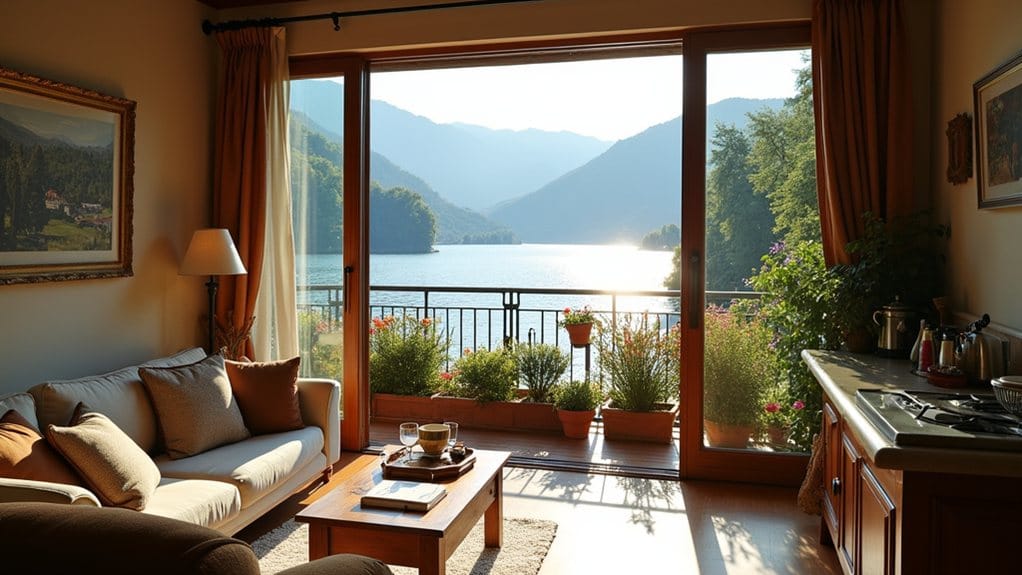
Apartments are a popular accommodation choice in Lake Como for travelers who value flexibility, space, and a more independent travel experience. Unlike hotels, apartments allow guests to manage their own schedule, prepare meals, and settle into a stay that feels more like living than visiting.
They are widely available across the lake, from central towns to quieter villages, and vary greatly in size and style. Many apartments offer separate living areas, kitchens, and outdoor spaces such as balconies or terraces, making them especially appealing for longer stays or group travel.
Staying in an apartment often means fewer services than a hotel, but greater control over daily routines. For travelers who prefer privacy, self-sufficiency, and a less structured experience, apartments provide a practical and comfortable alternative.
What to expect from apartments around the lake
Staying in an apartment around Lake Como typically offers a more self-directed experience compared to hotels. Guests can expect greater living space, access to a kitchen, and the freedom to plan meals and daily schedules independently.
Apartments often feel more residential, blending into local neighborhoods rather than tourist-focused areas. This can create a quieter, more authentic atmosphere, especially for travelers staying several nights or longer.
At the same time, apartments usually come with fewer services. Daily housekeeping, on-site assistance, or organized activities are less common, and check-in or support may be limited to specific hours.
Overall, apartments suit travelers who are comfortable managing logistics in exchange for flexibility, privacy, and a less structured stay.
Pros of staying in an apartment

Staying in an apartment in Lake Como offers several advantages, particularly for travelers who value flexibility and space.
One of the main benefits is independence. Apartments allow guests to set their own schedule, prepare meals, and enjoy a stay that is not tied to hotel routines.
Space is another key advantage. Separate living areas, bedrooms, and kitchens make apartments more comfortable for families, couples, or longer stays compared to standard hotel rooms.
Apartments can also offer better value, especially for multi-night stays or group travel, where shared spaces reduce overall costs.
Finally, apartments often provide a more local experience, allowing travelers to stay in residential areas and experience daily life around the lake rather than a purely tourist-focused environment.
Common drawbacks (logistics, check-in, services)
While apartments offer flexibility and space, they also come with practical limitations that travelers should consider.
Check-in and check-out are often less flexible than in hotels. Arrival times may be restricted, and guests usually need to coordinate directly with the host or property manager, which can add friction—especially with delayed transport.
Apartments typically do not include daily housekeeping, concierge services, or on-site support. Any issues during the stay may require waiting for remote assistance rather than immediate help.
Logistics also require more self-management. Guests are responsible for meals, basic cleaning, and organizing activities independently, which may feel inconvenient for travelers used to hotel-style service.
For those comfortable with planning and self-sufficiency, these drawbacks are manageable—but they can be frustrating for travelers expecting a hands-off experience.
Who apartments work best for

Apartments in Lake Como work best for travelers who value independence, flexibility, and extra space.
They are particularly well suited to families or groups who benefit from separate bedrooms, shared living areas, and the ability to prepare meals together.
Apartments are also ideal for longer stays, where having a kitchen and more room makes daily life more comfortable and cost-effective.
Travelers who enjoy planning their own schedule, shopping locally, and managing logistics independently tend to appreciate apartment stays the most.
On the other hand, travelers who prefer daily services, immediate assistance, or a highly structured experience may find hotels a better fit.
Ideal trip scenarios for apartments
Apartments in Lake Como are an ideal choice in travel scenarios where flexibility and space matter more than full service.
They work particularly well for trips lasting several nights or longer, where having a kitchen and separate living areas improves comfort and helps manage costs.
Apartments are also a strong option for families or small groups who want to stay together rather than book multiple hotel rooms.
They suit travelers who plan to spend time exploring local markets, preparing simple meals, or settling into a slower, more residential rhythm around the lake.
When independence and a home-like environment are priorities, apartments are often the most practical accommodation choice.
Villas in Lake Como

Villas represent the most private and spacious accommodation option in Lake Como, offering a very different experience compared to hotels or apartments. They are typically standalone properties, often located in scenic or secluded areas, and designed for travelers who prioritize space, privacy, and independence.
Staying in a villa often feels less like a holiday rental and more like settling into a private residence. Guests usually have access to multiple bedrooms, outdoor areas, and uninterrupted lake or mountain views, making villas especially appealing for families or groups traveling together.
At the same time, villas require more planning and self-management. Services are limited unless arranged separately, and locations are often less central than hotels or apartments.
Villas are not a default choice for most trips, but when matched to the right travel style and group size, they can offer a uniquely immersive and relaxed Lake Como experience.
What “villa” actually means in Lake Como
In Lake Como, the term “villa” does not refer to a single standard type of accommodation. Instead, it covers a wide range of private properties that vary significantly in size, style, location, and level of service.
Some villas are historic residences with expansive gardens and traditional architecture, while others are modern homes designed for private rental. What they share is scale and exclusivity—villas are typically standalone properties offering multiple bedrooms, private outdoor space, and a strong sense of privacy.
Unlike hotels, villas do not operate with on-site staff or daily services unless these are arranged separately. Compared to apartments, villas usually offer more space and seclusion, but also require greater responsibility from guests.
Understanding what a villa actually includes—and what it does not—helps travelers decide whether this type of accommodation truly matches their expectations and travel style.
Pros of staying in a villa

Staying in a villa in Lake Como offers clear advantages, particularly for travelers who value space, privacy, and independence.
One of the main benefits is privacy. Villas are standalone properties, allowing guests to enjoy the lake without shared spaces or interruptions, which is especially appealing for families or groups.
Space is another key advantage. Multiple bedrooms, large living areas, and outdoor spaces make villas far more comfortable for group travel than hotels or standard apartments.
Villas also allow full control over daily routines. Guests can cook, relax, and plan their days without fixed schedules or shared facilities, creating a more personal and flexible experience.
Finally, villas often provide a stronger sense of immersion. Staying in a private home—often in quieter or scenic locations—can feel more relaxed and residential than other accommodation types.
Hidden costs and trade-offs
While villas in Lake Como offer space and privacy, they often come with additional costs and practical trade-offs that are easy to overlook.
Beyond the nightly rate, villas may involve extra expenses such as cleaning fees, utilities, security deposits, or charges for optional services like pool maintenance or housekeeping. These costs can significantly affect the overall budget, especially for shorter stays.
Villas also require more logistical planning. Guests are responsible for groceries, transportation, and daily organization, and locations are often less central, which may require a car or longer travel times to reach towns and ferry points.
Finally, the lack of on-site staff means less immediate support if issues arise during the stay. For travelers comfortable managing these responsibilities, the trade-offs are manageable—but they are an important part of the decision.
Understanding these hidden costs helps travelers determine whether a villa truly aligns with their budget and travel expectations.
Who villas are really for (and who should avoid them)

Villas in Lake Como are best suited to travelers who value privacy, space, and independence above convenience or service.
They are an excellent option for families or groups traveling together, where multiple bedrooms, shared living areas, and private outdoor space significantly improve comfort. Villas also work well for longer stays, where guests can settle into a routine and fully benefit from the extra space.
Travelers who enjoy managing their own logistics—such as meals, transportation, and daily planning—are more likely to appreciate a villa stay.
However, villas may not be ideal for solo travelers, short stays, or visitors who prefer central locations and immediate assistance. Those who expect daily housekeeping, concierge services, or a hands-off experience may find hotels or apartments more practical.
Choosing a villa makes sense when space and privacy are priorities, but it is not the most efficient option for every type of trip.
When a villa stay makes sense
A villa stay in Lake Como makes the most sense in travel scenarios where space, privacy, and a slower pace are central to the experience.
Villas are particularly well suited for group trips, such as family holidays or stays with friends, where sharing a large private space is more comfortable and cost-effective than booking multiple hotel rooms.
They also work best for longer stays, where guests can fully enjoy the property, manage logistics at a relaxed pace, and benefit from amenities like outdoor areas or multiple living spaces.
Villas are ideal when the accommodation itself is part of the experience—not just a place to sleep—but they are less practical for short, fast-paced trips or travelers who want to minimize planning.
When privacy, space, and independence outweigh convenience, a villa becomes the right choice.
B&Bs and Guesthouses: The Middle Ground

B&Bs and guesthouses in Lake Como sit between hotels and apartments, offering a balance of comfort, local character, and simplicity. They provide more structure and service than apartments, while remaining smaller and more personal than full-service hotels.
These accommodations are often family-run and located in residential or semi-central areas, creating a quieter and more intimate atmosphere. Guests typically benefit from private rooms, daily breakfast, and direct contact with hosts, without the scale or formality of larger hotels.
At the same time, B&Bs and guesthouses offer fewer amenities than hotels and less independence than apartments. They are best viewed as a practical compromise for travelers who want comfort and local interaction without managing a fully self-catered stay.
For many visitors, this middle-ground option provides a relaxed and authentic way to experience Lake Como without the complexity or cost of larger accommodations.
How B&Bs differ from hotels and apartments
B&Bs and guesthouses occupy a distinct position between hotels and apartments, combining elements of both without fully replicating either experience.
Compared to hotels, B&Bs are smaller and more personal. They usually offer fewer rooms, limited shared facilities, and a more informal atmosphere, with hosts often directly involved in guest interaction. However, they typically lack amenities such as spas, on-site restaurants, or 24-hour reception.
Compared to apartments, B&Bs provide more structure. Guests usually benefit from daily breakfast, regular cleaning, and on-site assistance, without needing to manage cooking or logistics independently.
In practice, B&Bs suit travelers who want simplicity and local interaction, but without the scale of a hotel or the self-sufficiency required by an apartment.
Pros and cons

B&Bs and guesthouses in Lake Como offer a balanced accommodation experience, but they also come with clear trade-offs.
Pros
One of the main advantages is the personal atmosphere. Smaller properties and direct contact with hosts often create a more relaxed and welcoming stay. Breakfast is usually included, reducing daily planning, and locations are often quieter than large hotels while still remaining accessible.
Cons
B&Bs typically offer fewer amenities than hotels and less flexibility than apartments. Shared schedules for breakfast or check-in may limit independence, and facilities such as elevators, parking, or private outdoor spaces are not always available.
For travelers seeking a simple, comfortable stay with a local feel—and without the responsibilities of self-catering—B&Bs can be an excellent compromise. For those who want either full service or full independence, other accommodation types may be a better fit.
Accommodation Types by Travel Style
Different accommodation types in Lake Como naturally suit different travel styles. This overview helps match traveler profiles with the accommodation options that tend to work best.
- Couples: Hotels and boutique accommodations for comfort, views, and convenience; apartments for longer, more private stays.
- Families: Apartments and villas for space, kitchens, and flexibility; selected hotels for shorter trips.
- Solo Travelers: Hotels and B&Bs for simplicity, safety, and easy logistics.
- Groups: Villas and larger apartments where shared space and privacy matter most.
- Short Trips: Hotels and B&Bs that minimize planning and maximize location.
- Longer Stays: Apartments and villas that offer comfort, space, and independence.
Travel style helps narrow down the best accommodation type, but the final choice should also consider trip length, budget, and desired level of service.
Cost Expectations by Accommodation Type in Lake Como
Accommodation prices in Lake Como vary widely depending on the type of stay, season, and length of visit. Understanding the typical cost structure of hotels, apartments, and villas helps travelers choose realistically—without overpaying or booking something that does not fit their budget or needs.
This section focuses on relative cost expectations, not exact prices, which can fluctuate significantly.
Hotels: Higher nightly rates, predictable costs
Hotels in Lake Como generally have the highest per-night cost, especially in central or lakefront locations. In return, travelers benefit from bundled services such as daily housekeeping, reception support, breakfast, and on-site amenities.
Hotels tend to be more cost-effective for:
- Short stays (1–3 nights)
- Travelers who value convenience and services
- Visitors traveling without a car or with tight schedules
However, costs can rise sharply during peak season, and additional charges (parking, city tax, premium views) may apply.
Apartments: Better value for longer stays
Apartments usually offer a lower nightly rate per person compared to hotels, particularly for stays of four nights or more. While they require more self-management, they often reduce overall trip costs through self-catering and shared space.
Apartments are typically more economical for:
- Families or small groups
- Longer stays
- Travelers comfortable with independent logistics
Cleaning fees and utilities are often included, but check-in logistics and services are more limited than in hotels.
Villas: High upfront cost, shared value for groups
Villas represent the highest total cost category but can be cost-efficient when shared among multiple guests. Their pricing reflects privacy, space, and exclusive features rather than services.
Villas make financial sense mainly for:
- Families or groups traveling together
- Longer stays where costs are spread over time
- Travelers prioritizing privacy over daily services
Additional costs such as cleaning, utilities, staff, or transport should always be factored in when evaluating villa stays.
B&Bs and guesthouses: Mid-range and seasonal value
B&Bs often sit between hotels and apartments in terms of pricing. They can offer good value, especially outside peak season, but availability is limited and varies widely by location.
They are usually best for:
- Short stays
- Couples or solo travelers
- Travelers seeking local interaction without full hotel pricing
Key takeaway on costs
There is no “cheapest” or “most expensive” option in absolute terms—only what is most cost-effective for your travel style, group size, and length of stay. Choosing the wrong accommodation type often leads to unnecessary expenses or compromises in comfort.
Common Mistakes When Choosing Accommodation in Lake Como
Choosing where to stay in Lake Como is not just about finding a beautiful place—it’s about matching the accommodation type to how you actually plan to travel. These are some of the most common mistakes travelers make.
One frequent error is focusing only on the property itself and ignoring daily logistics. A stunning villa or apartment may look ideal, but distance from ferry stops, towns, or services can quickly add complexity to the trip.
Another common mistake is underestimating the level of self-management required. Apartments and villas offer flexibility, but they also require guests to handle meals, check-in coordination, and daily planning—something not all travelers enjoy.
Travelers also often assume that a higher price guarantees a better experience. In reality, the “best” accommodation is the one that fits trip length, group size, and travel style, not necessarily the most expensive option.
Finally, many visitors choose accommodation types that don’t align with their stay duration—such as booking a villa for a short trip or a hotel for a long stay where space and flexibility would matter more.
Avoiding these common mistakes helps ensure that accommodation enhances the Lake Como experience rather than complicating it.
How to Choose the Right Accommodation Type for Your Trip

How to Choose the Right Accommodation Type for Your Trip
With the differences between hotels, apartments, and villas clearly defined, the final step is choosing the option that best fits your trip. This decision is less about which accommodation is “better” and more about how you plan to experience Lake Como.
Rather than focusing on individual properties, use the factors below to narrow down the accommodation type that matches your priorities.
Key Decision Factors to Consider
Length of stay
Short stays often benefit from hotels, where services and central locations reduce friction. Longer stays usually work better in apartments or villas, where space and self-catering add comfort and value.
Group size and travel companions
Solo travelers and couples often prefer hotels or apartments for simplicity. Families and groups typically gain more comfort and cost efficiency from apartments or villas with multiple bedrooms and shared spaces.
Level of service you expect
If daily housekeeping, concierge support, and on-site dining matter to you, hotels are the natural choice. If independence and privacy rank higher, apartments and villas offer more control over your schedule.
Budget flexibility
Hotels concentrate costs into nightly rates, while apartments and villas distribute costs differently (space, meals, length of stay). Your budget tolerance often determines which model feels sustainable over several days.
Travel rhythm and pace
Fast-paced sightseeing favors hotels and central bases. Slower, more immersive travel aligns better with apartments or villas, especially if you plan downtime at your accommodation.
A Simple Decision Shortcut
- Choose a hotel if you want convenience, service, and a short or structured stay.
- Choose an apartment if you value flexibility, space, and a local, self-directed experience.
- Choose a villa if privacy, space, and exclusivity are central to your trip—especially for families or groups.
What This Decision Does—and Doesn’t—Cover
This choice determines what type of accommodation suits you best. It does not decide where you should stay around the lake. Location choices—such as towns, areas, and transport access—are covered separately to avoid overlap and confusion.
By separating accommodation type from location, you can make clearer, more confident decisions and avoid mismatches between expectations and reality.
Conclusion
Choosing where to stay in Lake Como is not about finding the most beautiful accommodation—it’s about selecting the type of stay that best supports how you plan to travel.
Hotels, apartments, villas, and B&Bs each offer a different balance of service, space, flexibility, and responsibility. The right choice depends on factors such as trip length, group size, desired level of independence, and whether accommodation is simply a base or part of the overall experience.
By understanding how each accommodation type works in practice, travelers can avoid common mistakes and set realistic expectations—ensuring their stay enhances the trip rather than complicating it.
Lake Como rewards thoughtful planning. When accommodation type aligns with travel style, the destination becomes easier, more enjoyable, and far more memorable.

Frequently Asked Questions About Accommodation in Lake Como
Is it better to stay in a hotel or an apartment in Lake Como?
It depends on your travel style. Hotels offer convenience and services, while apartments provide more space, flexibility, and better value for longer stays.
Are villas in Lake Como worth the cost?
Villas are ideal for families or groups who value privacy, space, and scenic views. They are usually more expensive and require more self-management, so they are not suitable for every traveler.
What is the most affordable accommodation type in Lake Como?
Apartments and B&Bs generally offer the best value, especially outside peak season or for stays longer than three nights.
Do hotels in Lake Como include breakfast and services?
Most hotels include daily housekeeping and breakfast, but inclusions vary by property. Always check what is included before booking.
Is self-catering practical in Lake Como?
Yes, especially in towns with supermarkets and local markets. Apartments and villas are well suited for travelers who prefer flexible meals and independent schedules.
How far in advance should accommodation be booked?
In peak season, popular accommodation types and locations can sell out months ahead. Early booking is recommended, especially for hotels and villas.
Does accommodation type matter more than location?
Both matter, but they serve different purposes. Location affects transport and daily logistics, while accommodation type affects comfort, services, and how you experience the destination.
What to read next

Once the big decision about where to stay around Lake Como is made, the journey really starts to take shape.
Now, travelers can dive deeper into planning the perfect getaway. For those interested in accommodations that fit an affordable budget, there are helpful guides on hidden gems in Varenna and how to score deals on boutique hotels.
Adventurers may want to read about the best hiking trails near popular Lake Como towns, since exploring the outdoors is a must in this scenic region.
Others might enjoy articles about lakefront dining, boat rentals, or how to get around using ferries.
No matter which Lake Como accommodation—hotel, apartment, or villa—was chosen, there’s plenty of next steps to explore for an unforgettable trip.