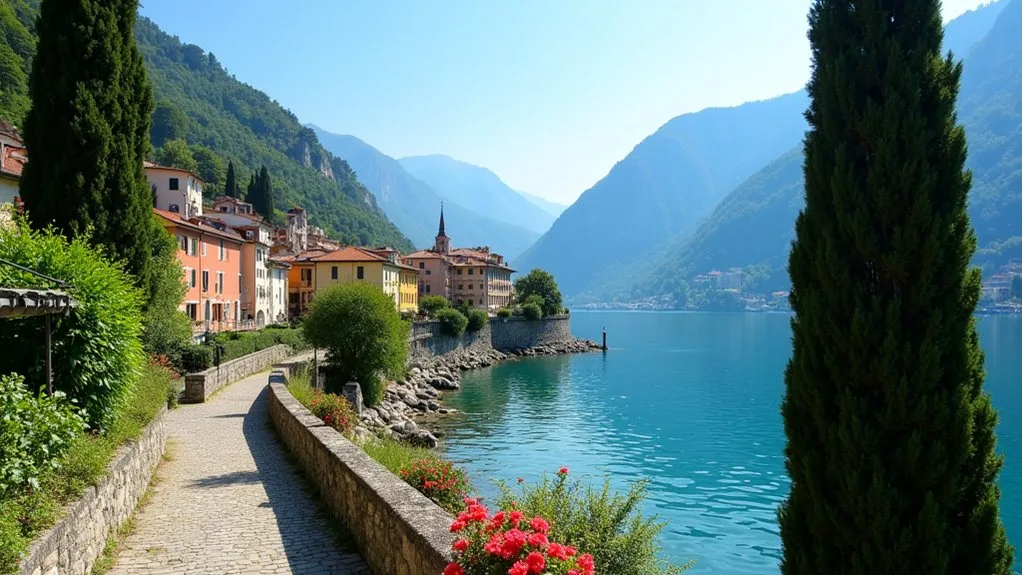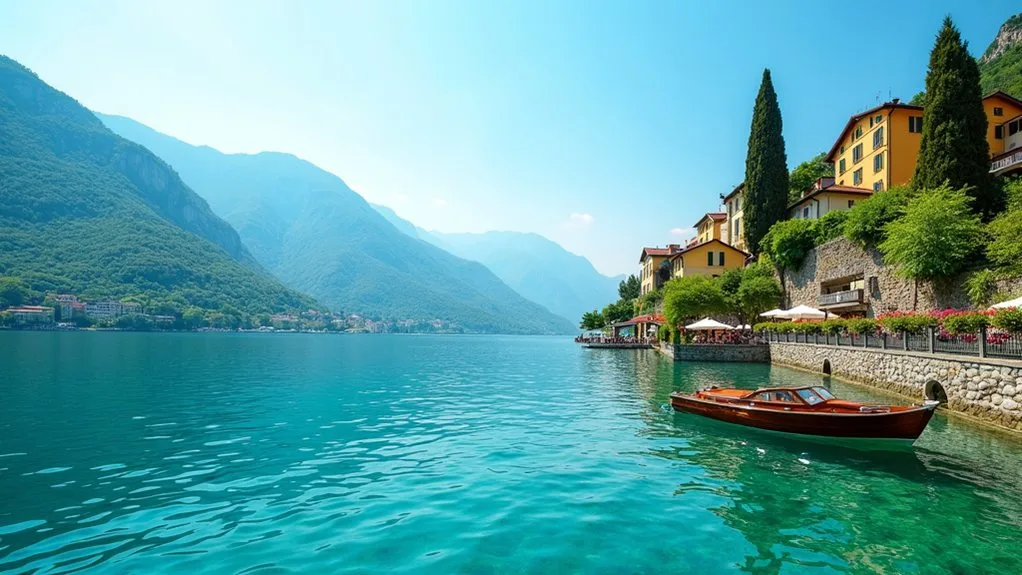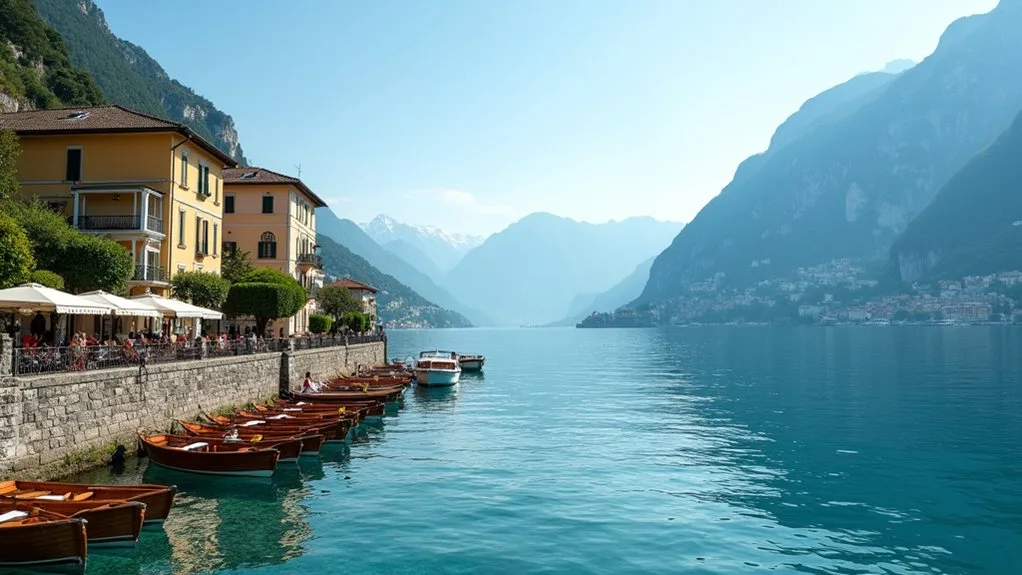
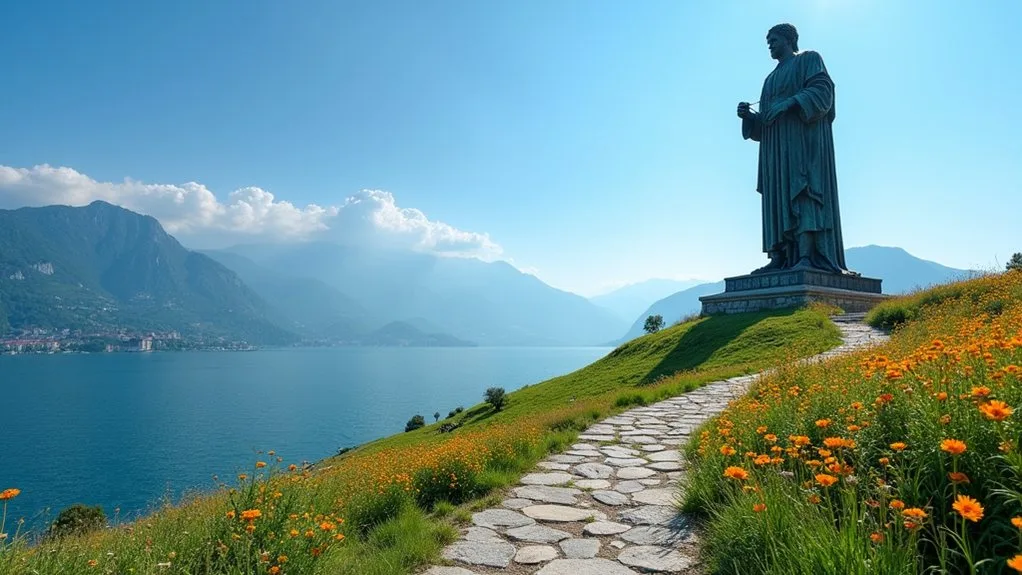
While many travelers dream of wandering the sunlit shores of Lake Como or strolling through Venice’s winding canals, visiting these beloved European hotspots may soon come with a slightly higher price tag. In 2026, Italy plans to introduce an entry fee for tourists who visit popular destinations such as Lake Como, following the example set by Venice’s own visitor tax system. This new measure is designed to respond to a growing challenge: overtourism.
As crowds flock to scenic lakes and historic cities, local resources can become stretched thin, leading to concerns over everything from crowded walkways to increased wear on infrastructure. To tackle this, officials are looking at smart ways to use the revenue generated from these fees, reinvesting it into the community’s infrastructure and preservation projects.
Tourism fees help protect beloved destinations by funding essential repairs and preservation, ensuring scenic towns remain vibrant for generations to come.
The use of AI and other modern tools might even help local authorities fine-tune how and when the fee is applied. Imagine using AI to analyze visitor data, helping officials decide the best times to increase or decrease the entry charge.
By using AI, they can spot trends—like which weekends are busiest or which holiday seasons draw the most crowds—making it easier to target peak visitation periods. The use of AI could also help in monitoring the impact of tourism on local ecosystems, guaranteeing that the charm and natural beauty of places like Lake Como are preserved for future generations.
With the help of artificial intelligence, Italy hopes to keep both residents and travelers happy, balancing the thrill of discovery with the need for sustainable tourism. Local officials are still discussing the specifics, such as exactly how much the entry fee will be and when it will start.
The intention, however, is clear: to guarantee that tourism remains a benefit rather than a burden. The revenue collected from tourists is expected to support everything from repairing cobblestone streets to maintaining parklands, and maybe even upgrading public transportation. This strategy could further enhance Lake Como’s luxury property market, making it even more appealing to high-net-worth buyers.
This strategy is not unique to Italy. All across Europe, famous destinations are adopting similar approaches, seeking ways to balance the excitement of exploration with the needs of the people who call these places home.
For travelers, the new fee may mean budgeting a bit more for their dream vacations, but the payoff is a more enjoyable and sustainable visit. By embracing technology and smart planning, destinations like Lake Como aim to remain just as magical for visitors as they are for locals—perhaps with a little less crowding, and a lot more charm.