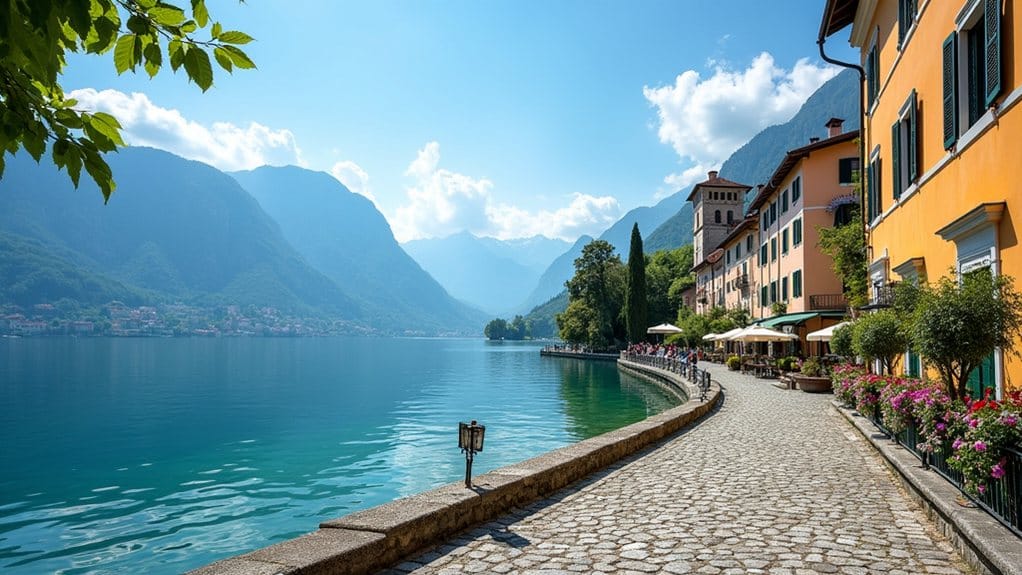
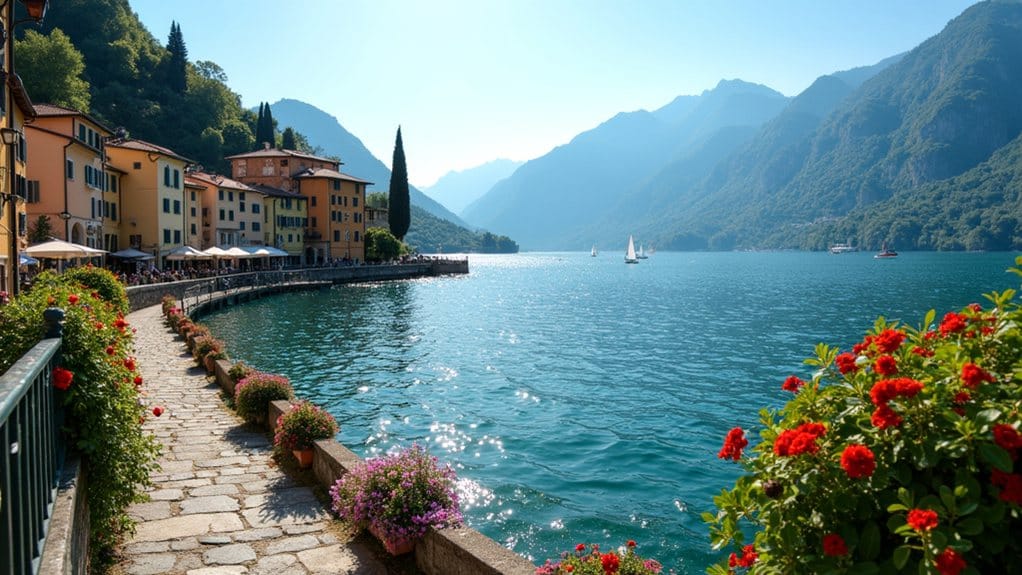
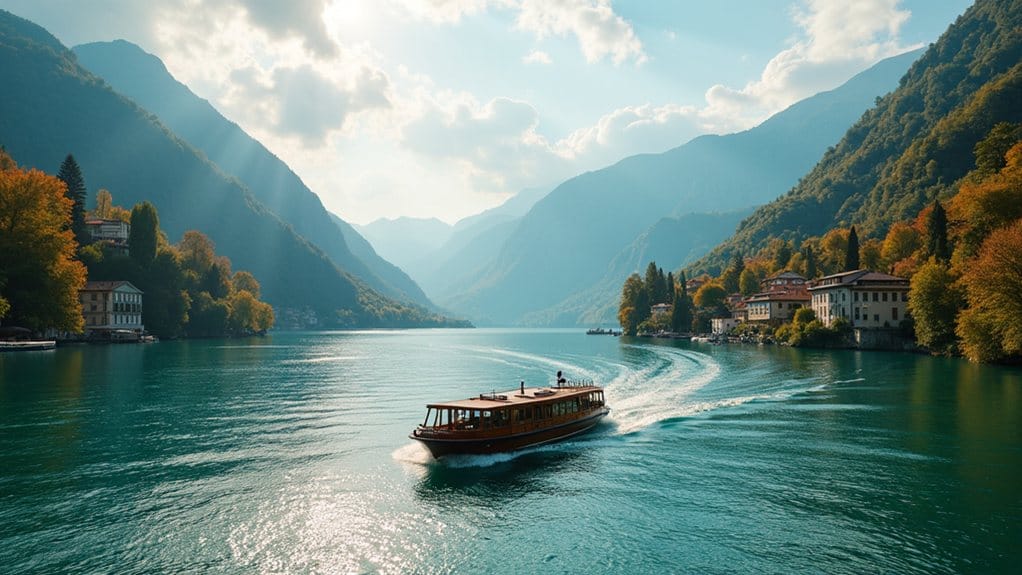
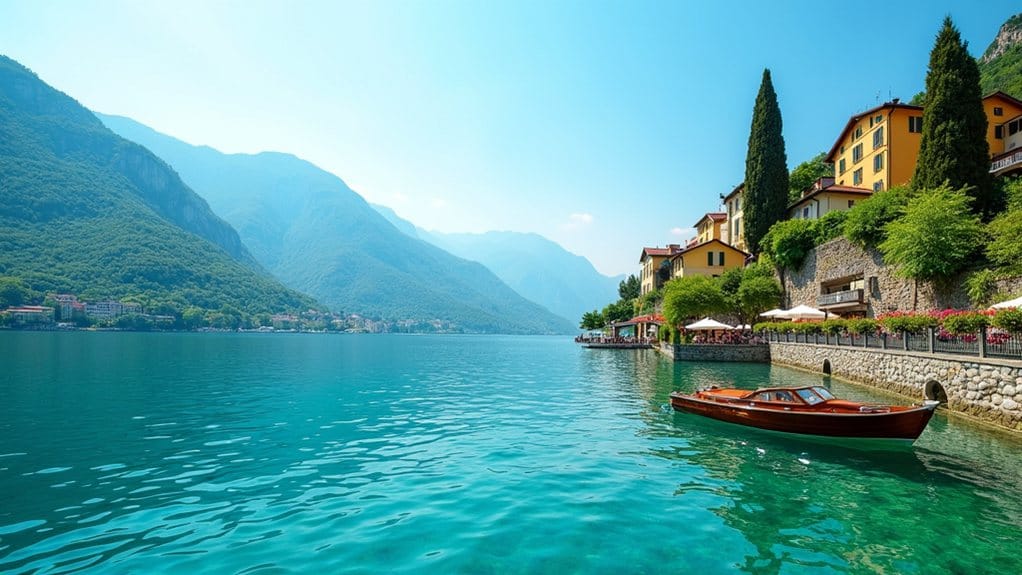
While Lake Como has long been famous for its stunning scenery and celebrity visitors, a new wave of travelers is changing the scene—digital nomads. In 2026, over 40 million global nomads are reported worldwide, and Lake Como is welcoming more of these remote workers than ever before. This influx is not just a passing trend; it is reshaping the region’s travel patterns and tourism industry.
Unlike the traditional tourist, who might pop in for a quick day trip to snap a photo and eat gelato, digital nomads are staying for weeks or even months. Their longer stays mean they are integrating more deeply into local life, shopping at neighborhood markets, and discovering hidden trattorias that most short-term visitors would overlook.
The trends shaping Lake Como’s new travel scene are driven by the needs of these remote workers. Reliable internet and comfortable workspaces have become as important as lakeside views or classic Italian cuisine. Many accommodations are reinventing themselves, transforming spare rooms into ergonomic work areas, and offering faster Wi-Fi packages. Some even advertise their proximity to quiet cafés or scenic spots perfect for a midday break, knowing that a change in scenery can spark creativity as much as any cappuccino can.
For today’s travelers, a strong Wi-Fi signal and a cozy workspace are just as essential as the lake’s breathtaking views.
One of the most significant changes is how digital nomads approach budgeting carefully. With longer stays, travelers are often able to secure better rates, especially by visiting outside the peak summer months. Additionally, understanding local rules concerning rentals becomes crucial for a smooth and compliant experience. Many nomads also seek to open a bank account in Italy, facilitating their financial transactions during their extended stays.
Local businesses and property owners are catching on, offering “off-peak” deals and extended-stay discounts to attract these guests during quieter periods. This shift helps spread tourism throughout the year, easing the strain on the region during the busy season and providing a steadier source of income for locals.
Italy’s government, recognizing the opportunity, has introduced remote work visa programs that make it easier for digital nomads to live and work in Lake Como. These policies are making the picturesque destination more accessible to a global crowd, encouraging people to swap their usual office for a sunlit room with mountain views—even if their Zoom backgrounds still show a bookshelf.
As digital nomads continue to choose Lake Como, they are not just changing where people work—they are creating new rhythms of travel and life in the region. Each traveler adds their own story, making Lake Como not just a place to visit, but a place to truly belong, at least for a while.