Lake Como, nestled in the foothills of the Italian Alps, offers a rich tapestry of cultural experiences that reflect its long-standing history and artistic heritage. As you plan your visit, consider exploring the Silk Museum in Como, where the intricate art of silk-making comes to life, showcasing the region’s craftsmanship. The Como Cathedral, with its breathtaking architecture, invites you to appreciate the blend of Gothic and Renaissance styles that define the area.
For literature enthusiasts, the Hermanno Hesse Museum provides insight into the life and works of the renowned author, while the tranquil ambiance of St. George Church in Varenna presents a perfect spot for quiet reflection amidst stunning views of the lake. Seasonal festivals, like the vibrant St. John Feast, offer an opportunity to immerse yourself in local traditions and celebrations.
Each corner of Lake Como reveals stories of its past, from ancient churches to modern art, making it a destination that not only captivates the eye but also invites deeper exploration. As you prepare for your journey, take time to consider the unique cultural experiences that await you in this enchanting region.
Key Takeaways
- Visit the stunning Como Cathedral to admire its Gothic and Renaissance architecture, enhanced by afternoon sunlight.
- Explore the Hermann Hesse Museum in Montagnola, dedicated to the author’s life and works in a picturesque setting.
- Discover the rich history of the Basilica of San Fedele, featuring beautiful frescoes and guided tours available for deeper insights.
- Experience the serene atmosphere and breathtaking views at the Church of St. George in Varenna, surrounded by blooming gardens.
- Check out the Moto Guzzi Museum in Mandello del Lario for a glimpse into the iconic motorcycle brand’s heritage and exhibits.
Explore Lake Como’s Rich History Through Its Museums

Lake Como is an enchanting destination rich in history, revealed through its captivating museums that offer unique experiences for visitors.
Begin your journey at the Silk Museum, located in the heart of Como city. This museum delves into the local silk industry, which has thrived for centuries. As you explore the 800 m² of exhibits, you’ll encounter both historical and contemporary silk production machines. Guided tours often provide deeper insights into the silk-making process and the significance of this industry to the region’s economy and culture.
A short drive or train ride away, the Hermann Hesse Museum in Montagnola awaits, set within the picturesque Torre Camuzzi. This museum is dedicated to the life and works of the Nobel Laureate, Hermann Hesse. Visitors can wander through the author’s former residence, which is filled with personal artifacts and writings, providing an intimate glimpse into his creative process.
The surrounding gardens are perfect for a peaceful stroll, especially in the spring and summer months when the flowers are in full bloom.
For those who enjoy cycling, the Cycling Museum near Madonna del Ghisallo is a must-visit. Situated close to a renowned pilgrimage church, it boasts an impressive array of cycling memorabilia, including vintage bicycles and memorabilia from cycling legends. The museum often hosts temporary exhibitions, so it’s worth checking what’s on display during your visit.
Motorcycle enthusiasts should not miss the Moto Guzzi Museum in Mandello del Lario. This museum showcases over 100 iconic models from the famous Italian motorcycle brand. Here, you can learn about the history of Moto Guzzi and its impact on motorcycle culture in Italy and beyond.
The museum’s collection is particularly vibrant during the summer months when special events and guided tours take place.
Lastly, make your way to the Treasure Museum in Valchiavenna, housed within the stunning Romanesque Church of San Giovanni. This museum features significant artifacts, including an exquisite 11th-century Gospel book cover, which reflects the area’s rich theological history.
The serene setting of the church adds to the experience, making it a peaceful spot to absorb the cultural heritage of the region. Cultural attractions and historic villas are integral to understanding Lake Como‘s charm.
Each of these museums offers a distinct perspective on the vibrant history of northern Italy, and visiting them allows for a deeper appreciation of Lake Como beyond its scenic beauty. Plan your itinerary based on your interests, and consider the seasonal variations that might enhance your experience.
Marvel at Iconic Churches and Historical Sites
As you explore the enchanting towns surrounding Lake Como, you’ll discover a wealth of captivating churches and historical sites that truly embody the region’s rich cultural heritage. Each location offers a unique experience, so let’s dive into some of the highlights.
The Como Cathedral, known as the Duomo, is a must-see. This magnificent structure, dedicated to Santa Maria Assunta, showcases an exquisite blend of Gothic and Renaissance architectural styles. Take your time to appreciate the intricate carvings and the stunning façade, which took over three centuries to complete, from 1396 to 1740. If you visit in the late afternoon, the sunlight casts a warm glow on the stone, enhancing its beauty.
The Como Cathedral, a stunning blend of Gothic and Renaissance styles, captivates with its intricate carvings and warm afternoon glow.
Just a short walk away is the Basilica of San Fedele, a Romanesque marvel dating back to 1120. Situated in the vibrant Piazza San Fedele, this church features beautiful frescoes and a serene atmosphere. It’s a great spot to immerse yourself in local history – consider joining a guided tour to learn more about its architectural details and the stories behind its artwork.
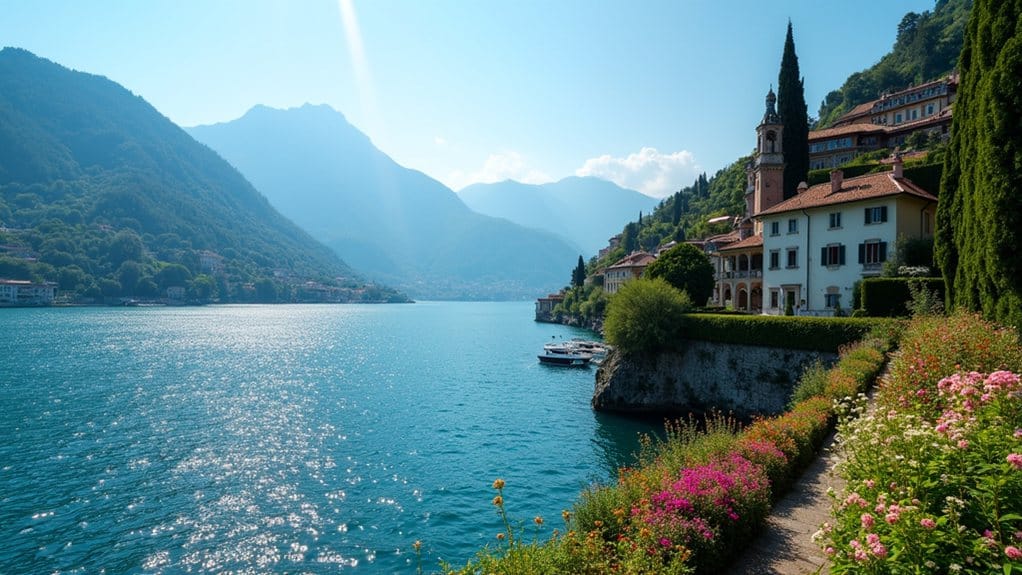
Traveling to Varenna, the Church of St. George offers not only spiritual solace but also breathtaking views of the lake. Nestled in a picturesque lakeside setting, the church is a lovely place to spend a quiet afternoon. If you’re there in the warmer months, the gardens surrounding the church are in full bloom, providing a colorful backdrop for your visit.
For those with a penchant for science, the Tempio Voltiano is a fascinating stop. Dedicated to Alessandro Volta, the inventor of the electric battery, this museum showcases his groundbreaking contributions to science. The exhibits are well-curated and provide a deep insight into his life and work. Visiting during the week may offer a quieter experience compared to weekends when more tourists flock to the area.
Lastly, the Church of Santa Maria del Tiglio in Dongo, with origins tracing back to the 12th century, holds a captivating secret. It features a mystical baptistry that invites exploration and contemplation. If you visit in the off-peak season, you might find fewer crowds, allowing for a more personal experience as you delve into the church’s historical significance. Additionally, many of these sites are located within easy reach of scenic towns like Bellagio and Varenna, making them perfect for a day of cultural exploration.
Lake Como is not just a visual feast; it’s a treasure trove of cultural wonders that beckons to be explored. Each site offers a distinct narrative, making your journey through these charming towns an enriching experience.
Dive Into Lake Como’s Unique Cultural Traditions and Festivals

Exploring the charming towns around Lake Como offers an immersive experience into its rich cultural traditions and vibrant festivals. One of the highlights is the St. John Feast, which takes place annually around June 24 on Comacina Island. This event is a true spectacle, featuring historical reenactments that bring local legends to life, a dazzling fireworks display illuminating the night sky, and exciting rowing races that showcase the region’s maritime culture.
To fully appreciate the atmosphere, arrive early to secure a good spot for viewing the festivities and enjoy the local food stalls offering traditional delicacies.
In Dongo, a visit to the Palais Manzi is essential for those interested in the region’s complex history. The museum provides fascinating insights into significant events, including Mussolini’s arrest at the end of World War II. The exhibits are well-curated, allowing visitors to gain a deeper understanding of how this history has shaped the local culture.
Pair your museum visit with a stroll through the town, where quaint streets and local shops offer unique souvenirs and artisan products.
The Church of Santa Maria del Tiglio is another must-see, dating back to the 12th century. Its ancient architectural beauty is complemented by a mystical baptistry that is worth exploring. The tranquil setting makes it an ideal spot for reflection, and the views of the surrounding landscape are stunning, especially in the early morning or late afternoon light.
For literature enthusiasts, the Hermann Hesse Museum in Montagnola provides a captivating glimpse into the life of the Nobel Laureate during his 40 years in the region. The museum is housed in a lovely villa surrounded by gardens, where visitors can wander and appreciate the serene environment that inspired much of Hesse’s work.
Make sure to check for any special exhibitions or events that may be occurring during your visit, as they often enhance the experience. Local culinary delights can also be explored in artisan shops around the lake, enriching your understanding of the area’s heritage.
Throughout the year, Lake Como hosts a variety of local festivals that celebrate artistic expression and traditional customs. From music and art festivals in the summer to harvest celebrations in the fall, each season brings unique events that reflect the region’s heritage.
Engaging with these festivals allows visitors to connect with local communities, taste seasonal dishes, and experience authentic cultural practices. Keep an eye on local event calendars to plan your visit around these enriching activities, ensuring a memorable experience in this picturesque part of Italy.
Frequently Asked Questions
What are the best cultural attractions to visit in Lake Como?
Lake Como’s top cultural attractions include Como Cathedral, the Silk Museum, the Basilica of San Fedele, and historic churches in towns like Varenna and Dongo.
Are there museums worth visiting around Lake Como?
Yes. Notable museums include the Silk Museum in Como, the Hermann Hesse Museum in Montagnola, the Moto Guzzi Museum in Mandello del Lario, and several smaller local history museums.
Which churches should you not miss in Lake Como?
Must-see churches include Como Cathedral, the Basilica of San Fedele, the Church of St. George in Varenna, and Santa Maria del Tiglio in Dongo.
Does Lake Como have cultural festivals visitors can attend?
Yes. Events like the Sagra di San Giovanni on Comacina Island and seasonal religious festivals offer insight into local traditions and history.
Is Lake Como a good destination for cultural travelers?
Absolutely. Beyond its scenery, Lake Como offers centuries of history, art, architecture, and cultural experiences spread across its towns and villages.
A Deeper Look at Lake Como’s Cultural Heritage
Lake Como’s cultural side reveals a destination shaped by centuries of art, faith, craftsmanship, and local traditions. From historic cathedrals and lakeside churches to museums that preserve silk-making, literature, and industrial heritage, the lake offers far more than beautiful scenery alone.
Exploring these cultural landmarks adds depth to any visit and helps travelers better understand the towns that surround the lake. Whether you’re planning a relaxed itinerary or combining culture with outdoor activities, Lake Como’s history is an essential part of the experience.